Best Bioimpedance Scales 2026: Our Expert Picks for the Top 10 Smart Scales

The top bioimpedance scales you can buy today, ranked by features and budget.

Mary Taylor
Senior Editor, BioimpedanceScales
Bioimpedance scales arranged in a grid.

Image: BioimpedanceScale / Editorial

Commonly known as smart scales, these devices are seeing a massive rise in adoption as society shifts its focus away from simple body weight. Today’s health-conscious users are increasingly focused on body recomposition, prioritizing the specific ratio of fat percentage to muscle mass.

Maintaining lean muscle through strength training and high protein intake has replaced the "thin-at-all-costs" worship of the previous decade. This cultural shift toward athletic, fit physiques requires more sophisticated tracking than a standard bathroom scale can provide.

In this guide, you will find the best bioimpedance scales on the market and a clear breakdown of what to expect from their technology. We help you navigate these devices to ensure your journey toward a healthier body is backed by reliable data.

If you decide to buy one through the links provided, I will earn a small commission at no additional cost to you

Best Bioimpedance Scales Reviews 2026

01
Popular High-End Choice

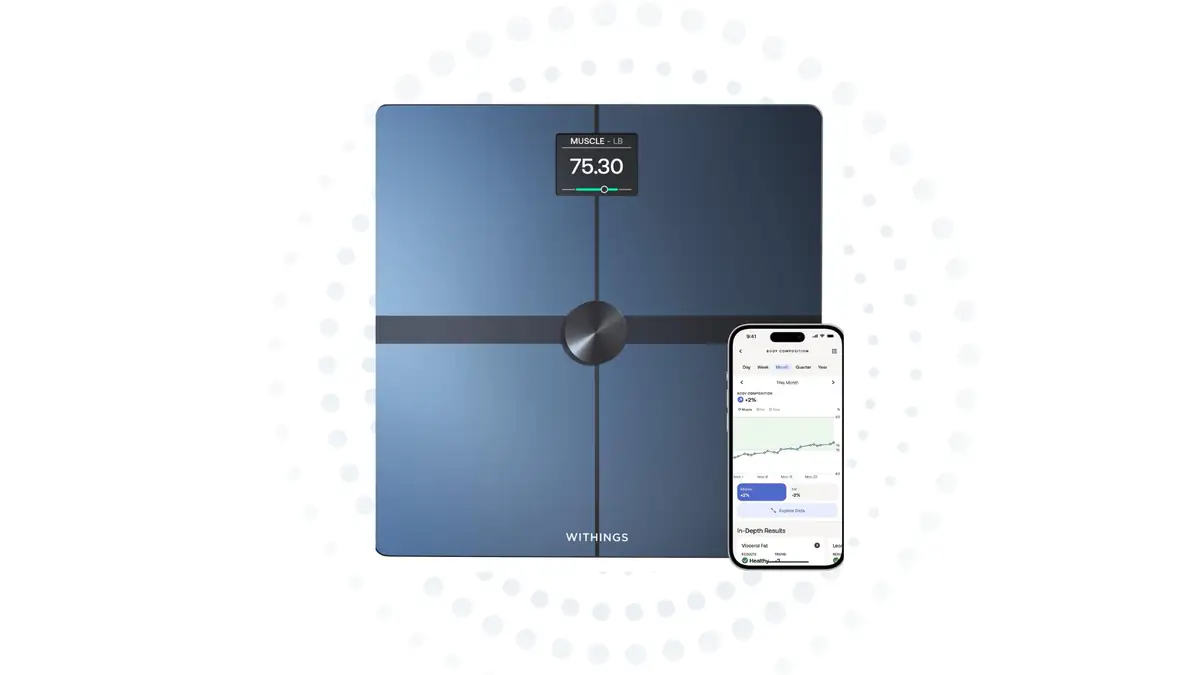
Withings Body Smart (WBS13)

Withings Body Smart (WBS13)
4.1 /5

Pros

  • Sleek design and high build quality
  • Connects via Wi-Fi or Bluetooth for easy syncing
  • Provides useful metrics beyond weight (body composition, muscle mass, etc.)
  • Integrates with other health apps

Cons

  • Aggressive marketing within the app
  • Issues with multiple user profiles
  • Less accurate than scales with hand and feet electrodes
Price
From $129
Check Best Price →

The Withings Body Smart stands out for its premium feel and sleek aesthetic. It is a high quality build that looks great in any modern bathroom, featuring a tempered glass top and a clear, high resolution display that guides you through each weigh-in.

Highlights

- Seamless Syncing: Connects effortlessly via Wi-Fi or Bluetooth, ensuring your data is ready on your phone before you even leave the bathroom.

- Deep Metrics: Offers muscle mass and body composition beyond basic weight, including visceral fat and heart rate monitoring on some models.

- Ecosystem Friendly: Integrates well with a wide variety of health apps like Apple Health, Google Fit, and MyFitnessPal.

Some users find the marketing within the Withings app a bit aggressive, with frequent nudges to subscribe to their premium health services. There are also occasional reports of the scale struggling with multiple user profiles if weights are similar, sometimes requiring manual adjustment in the app. Because it lacks hand electrodes, it may be slightly less precise than professional segmental analyzers for those with specific upper body goals.

02
Sturdy

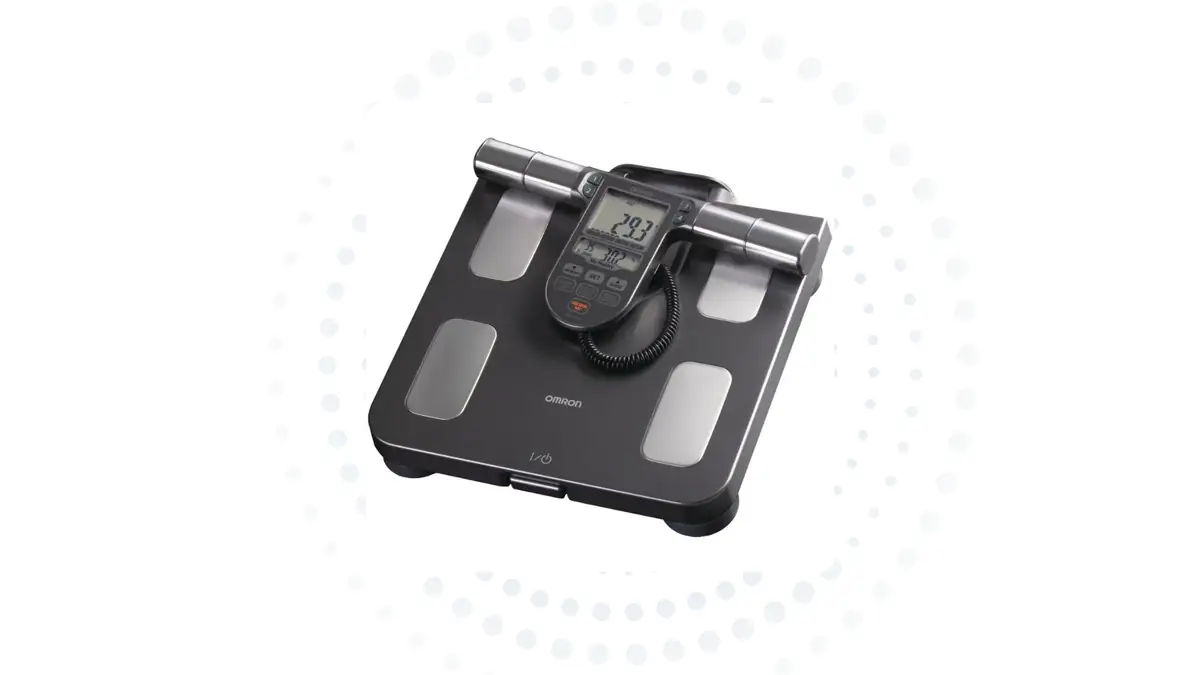
Omron HBF-514C

Omron HBF-514C
3.8 /5

Pros

  • Long battery life
  • Consistent results despite possible error rate
  • Comprehensive analysis and user-friendly design

Cons

  • No data import functionality
  • Poor customer service and difficult exchange process
Price
From $64
Check Best Price →

If you prefer consistency and a medical grade feel, the Omron HBF-514C is known to be reliable. Unlike standard floor scales, it uses a pull-up handle with electrodes to measure your body from both your hands and feet, providing a more comprehensive look at your internal metrics.

Highlights

- Steady Results:Users report highly consistent data even over long periods, making it excellent for tracking real trends rather than daily fluctuations.

- Battery Life:Known for lasting a very long time on a single set of batteries, often going over a year with daily use.

- User Friendly:The interface is straightforward for daily checks, using a corded display that is easy to read without looking down at your feet.

This model lacks modern data import functionality, meaning you might have to log results manually into your favorite fitness app. The design is also more functional than stylish, appearing more like a piece of medical equipment than a modern tech gadget. Customer service and exchange processes have also been a point of friction for some buyers.

03
Popular Choice

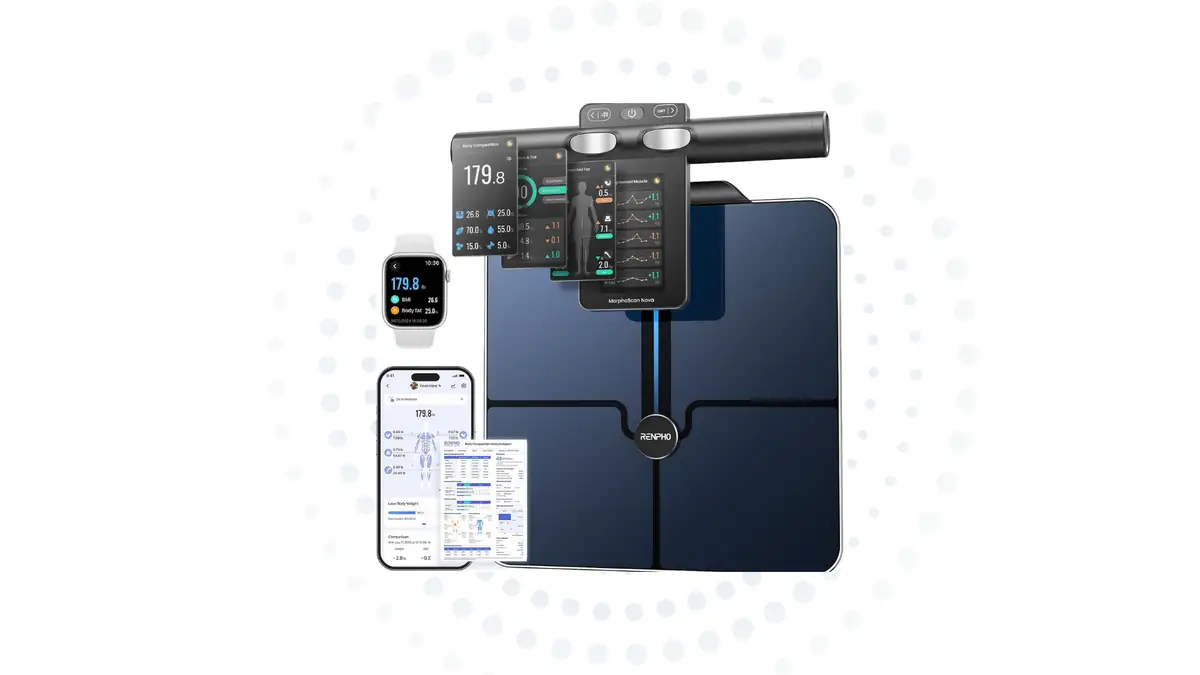
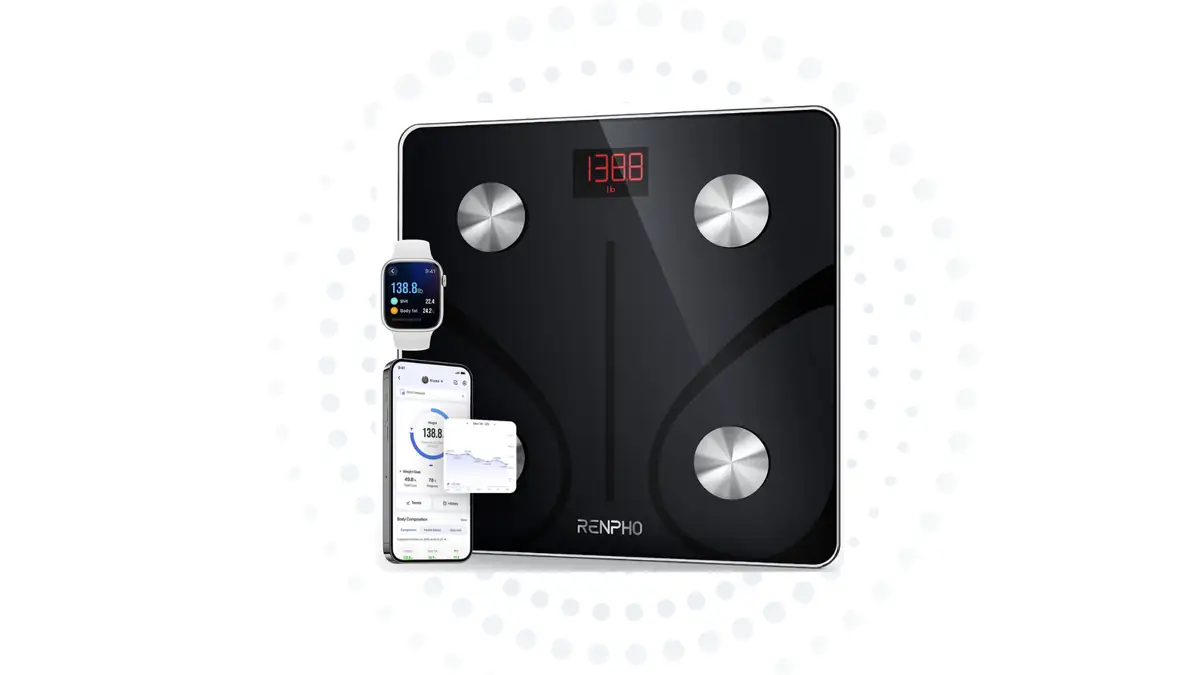
RENPHO Smart Body Fat Scale (R-MSC04)

RENPHO Smart Body Fat Scale (R-MSC04)
4.1 /5

Pros

  • Good value for money
  • Good API integration with other services
  • Sturdy design

Cons

  • App UI could be improved
  • Body composition metrics may fluctuate
Price
From $233
Check Best Price →

The RENPHO R-MSC04 is an 8-electrode scale that offers excellent value for the price. It is built for those who want professional features, like segmental body fat analysis, without the professional price tag typically found in high end clinics.

Highlights

- API Support: Features great integration with third party services, allowing you to export your data to various health ecosystems easily.

- Rechargeable: No need to constantly swap out disposable batteries, as it features a built-in battery that can be topped up via USB.

- Sturdy Build: The physical design feels stable and well made, with a full-color display that shows your metrics directly on the scale.

The app interface can feel cluttered with too much information and could benefit from a design refresh to improve the user experience. Some users have noted that body composition metrics can occasionally fluctuate between consecutive weigh-ins, so it is best to focus on weekly averages.

04
Best GUI

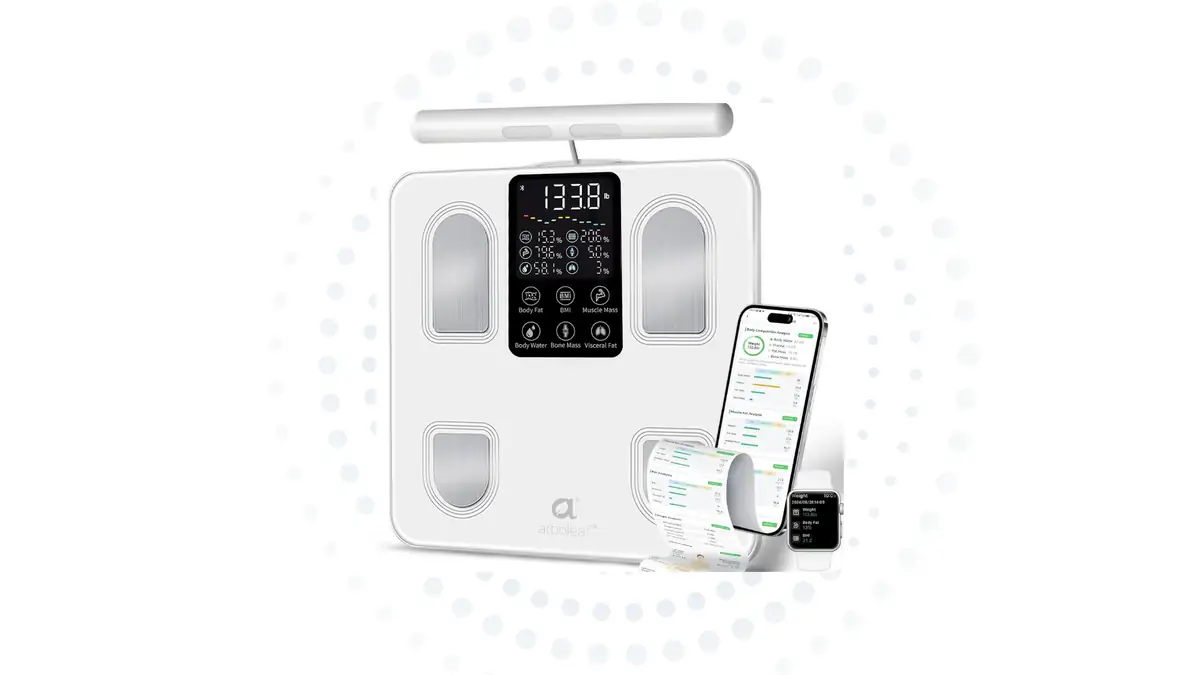
arboleaf Smart Scale (CS10E)

arboleaf Smart Scale (CS10E)
3.7 /5

Pros

  • User-friendly interface and fast setup
  • Quick weight check and in-depth body composition measurements with handles
  • Provides recommended weight loss summaries

Cons

  • App lacks advanced analytical capabilities
  • App is slow to start up and connect with the scale sometimes
Price
From $110
Check Best Price →

The arboleaf CS10E is perfect for users who want an intuitive setup process. It includes a handle for more accurate upper body measurements, which is crucial for identifying where you are carrying fat and muscle across your limbs.

Highlights

- Fast Configuration:One of the easiest scales to get running right out of the box, with a very responsive Bluetooth connection.> Connects effortlessly via Wi-Fi or Bluetooth, ensuring your data is ready on your phone before you even leave the bathroom.

- Actionable Advice: The app provides weight loss summaries and recommendations based on your unique body composition data.

- Speedy Checks: Weight measurements register very quickly, which is great for those who want to get in and out of the bathroom fast.

The app is a bit basic for data nerds who want advanced analytical tools or deep historical comparisons. Additionally, while the initial connection is fast, some users find the connection between the scale and the app can be sluggish or drop out if the phone isn't close by.

05
Professional

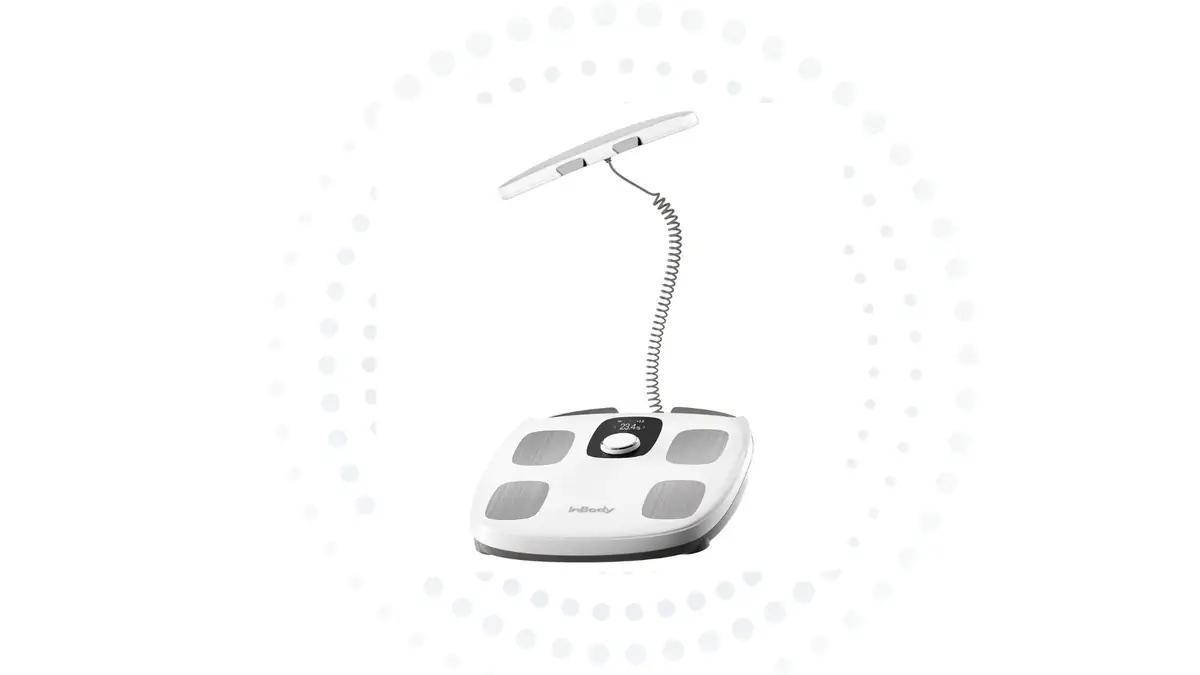
InBody Dial H30

InBody Dial H30
4.1 /5

Pros

  • Good measurement accuracy close to professional equipment
  • Consistent weight measurement results
  • Easy connectivity
  • Sturdy build

Cons

  • Initial setup can be confusing
  • App signup process is invasive and requires a phone number
  • Expensive compared to other options
Price
From $379
Check Best Price →

The InBody Dial H30 brings professional clinic technology into your home. It uses a triple frequency measurement system that is widely considered one of the most accurate consumer devices available, rivaling the tech used in gyms and hospitals.

Highlights

- Elite Accuracy: Measurements are remarkably close to professional DEXA scans, providing high confidence for serious athletes.

- Build Quality: Very sturdy and designed for heavy daily use, featuring a dial interface that is unique and intuitive to use.

- Reliable Tech: Connection issues are rare compared to cheaper models, and the proprietary InBody app is highly refined.

It is significantly more expensive than most competitors, representing a serious investment in your health data. The signup process is also quite invasive, requiring a phone number and several personal details to get the full benefit of the tracking software.

06
Large

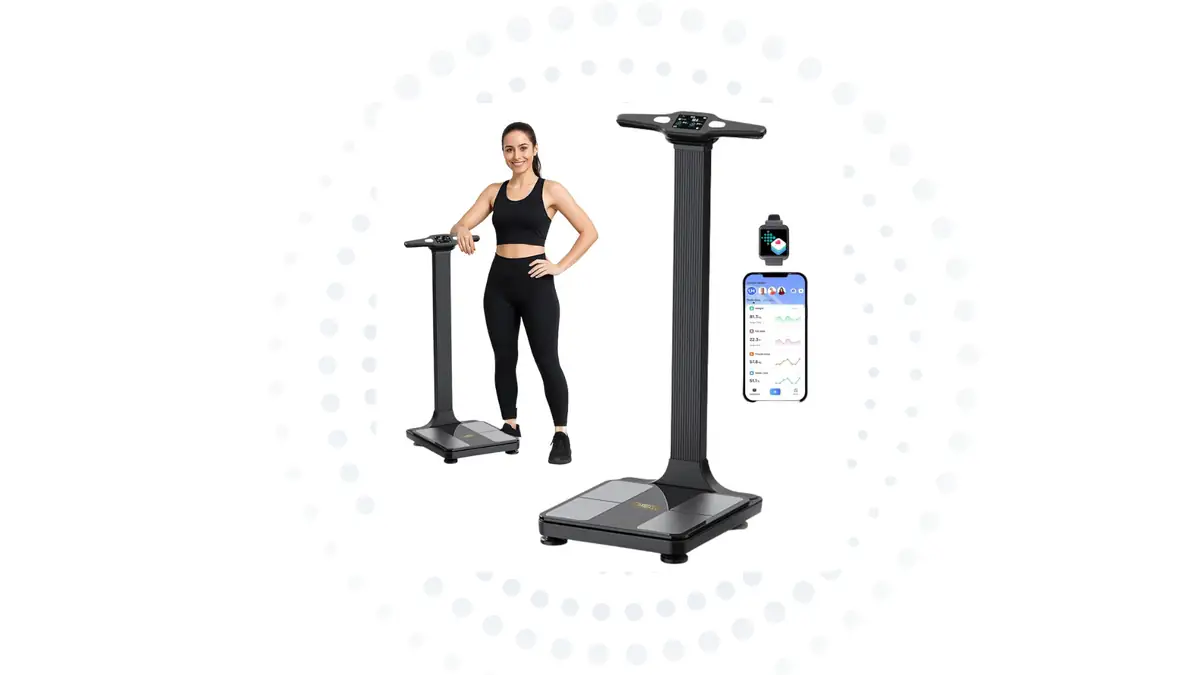
Homerz Smart Scale Pro Max

Homerz Smart Scale Pro Max
3.7 /5

Pros

  • Clean and easy-to-navigate app
  • Large surface
  • Bluetooth and Wi-Fi connectivity options

Cons

  • Bulky design
  • Pricey
Price
From $359
Check Best Price →

The Homerz Smart Scale Pro Max focuses on comfort and visibility. It features a larger surface area than many standard scales, making it much more stable for people with larger frames or balance concerns.

Highlights

- Excellent App: The software is clean, modern, and easy to navigate, focusing on the most important trends rather than overwhelming you with numbers.

- Dual Connectivity: Offers both Bluetooth and Wi-Fi options, so your data syncs even if your phone isn't in the room.

- Ergonomics:The large surface and "bend-free" design make it comfortable for users of all sizes and physical abilities.

The design is somewhat bulky, which might be a drawback for small bathrooms or those who need to store the scale under a cabinet. It also sits at a higher price point than entry level smart scales, though the build quality justifies the cost.

07
Good Price

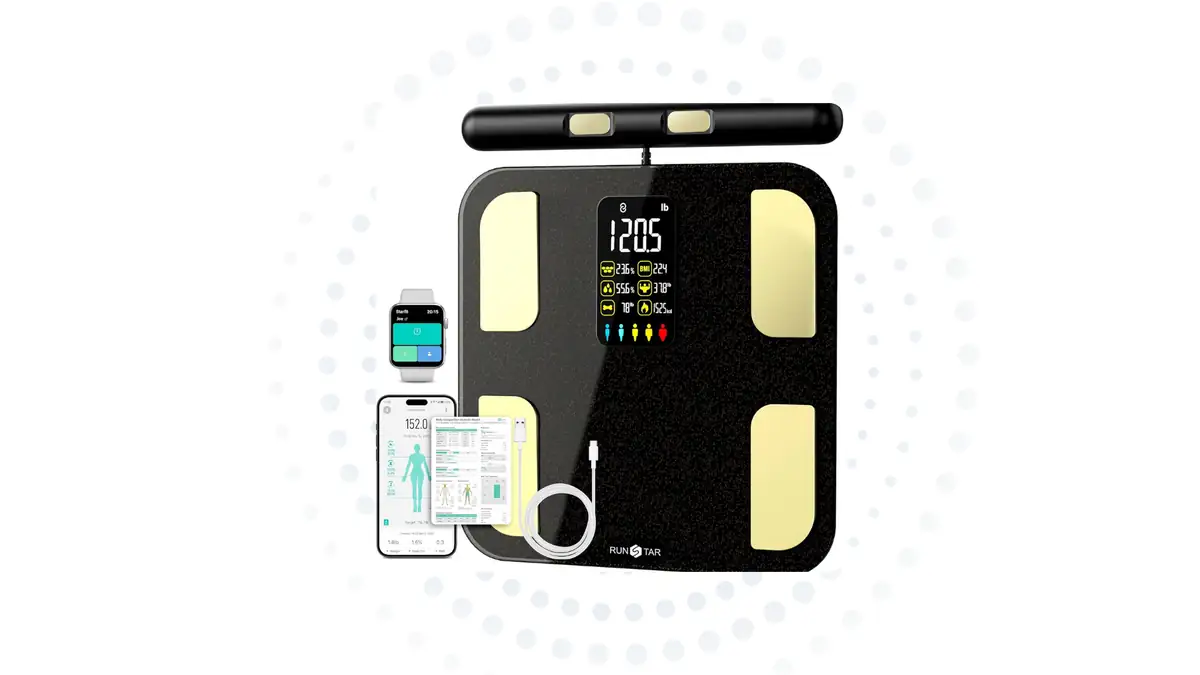
RunStar FG2001

RunStar FG2001
3.9 /5

Pros

  • Rechargeable battery with long battery life
  • Bluetooth connectivity and integration with other fitness apps
  • Good quality-to-price ratio

Cons

  • Segmental analysis lacks trending
  • Pairing instructions could be better
Price
From $76
Check Best Price →

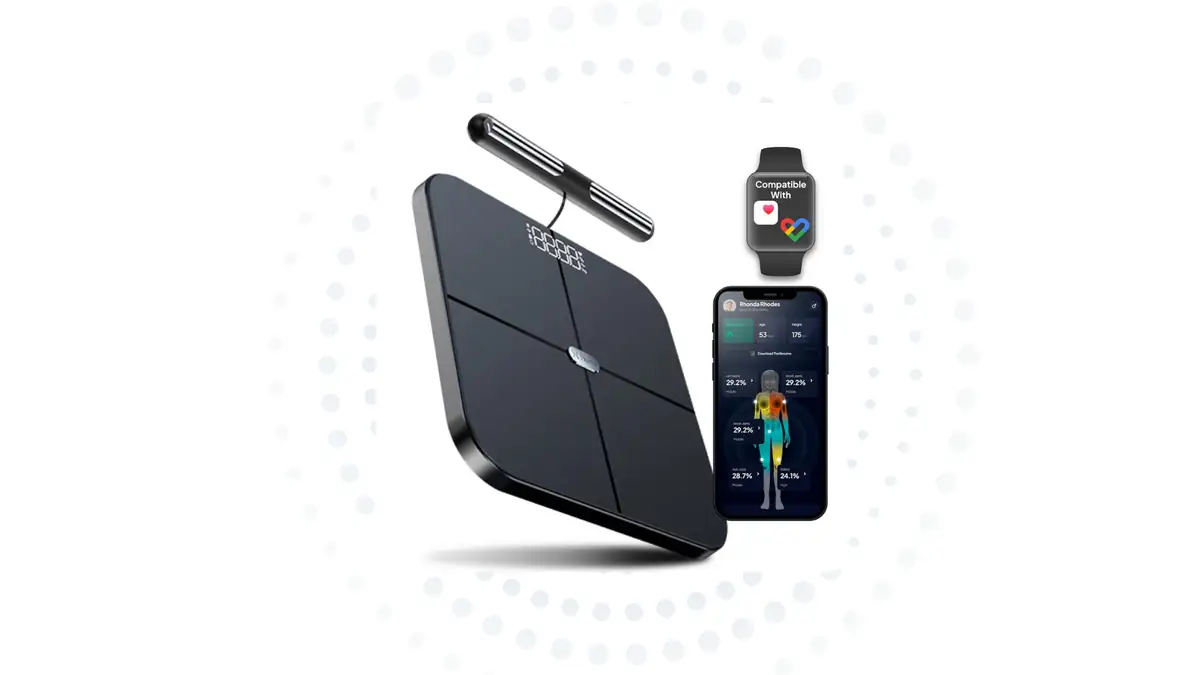
The RunStar FG2001 is a balanced option for those seeking a rechargeable 8-electrode scale. It provides a detailed breakdown of your body composition, including trunk, arm, and leg measurements.

Highlights

- Value King: Offers a great feature set, including the handheld electrode bar, for a much lower price than the top tier brands.

- Broad Integration: Syncs well with most major fitness apps, ensuring your progress is reflected in your overall health dashboard.

- Battery Performance: The rechargeable internal battery lasts for months on a single charge, making it very low maintenance.

While it provides segmental analysis, it lacks some of the long term trending features and deeper insights found in more expensive apps. Initial pairing instructions can be confusing for new users, sometimes requiring a few tries to get the sync right.

08
Good Price

Lepulse Body Composition Analyzer (WFUS)

Lepulse Body Composition Analyzer (WFUS)
3.8 /5

Pros

  • Good for tracking body recomposition
  • Integrates well with health apps
  • Good quality-to-price ratio

Cons

  • App can be confusing
Price
From $80
Check Best Price →

The Lepulse WFUS is highly recommended for people specifically tracking body recomposition goals. It provides a clear visual of how your muscle mass is increasing even if the number on the scale stays the same.

Highlights

- Progress Tracking: Excellent for seeing how fat loss and muscle gain balance out over weeks and months.

- Deep Metrics:App Ecosystem: Plays well with the standard health apps on your phone, making it a good fit for existing fitness routines.

- Cost Effective: Offers a solid build quality and multi-frequency measurement for a mid-range price.

The proprietary app can be a little confusing to navigate initially, as some of the more advanced charts are buried in sub-menus. Users may need a bit of time to learn where all the specific metrics, like bone mass or protein levels, are stored.

09
Cloud

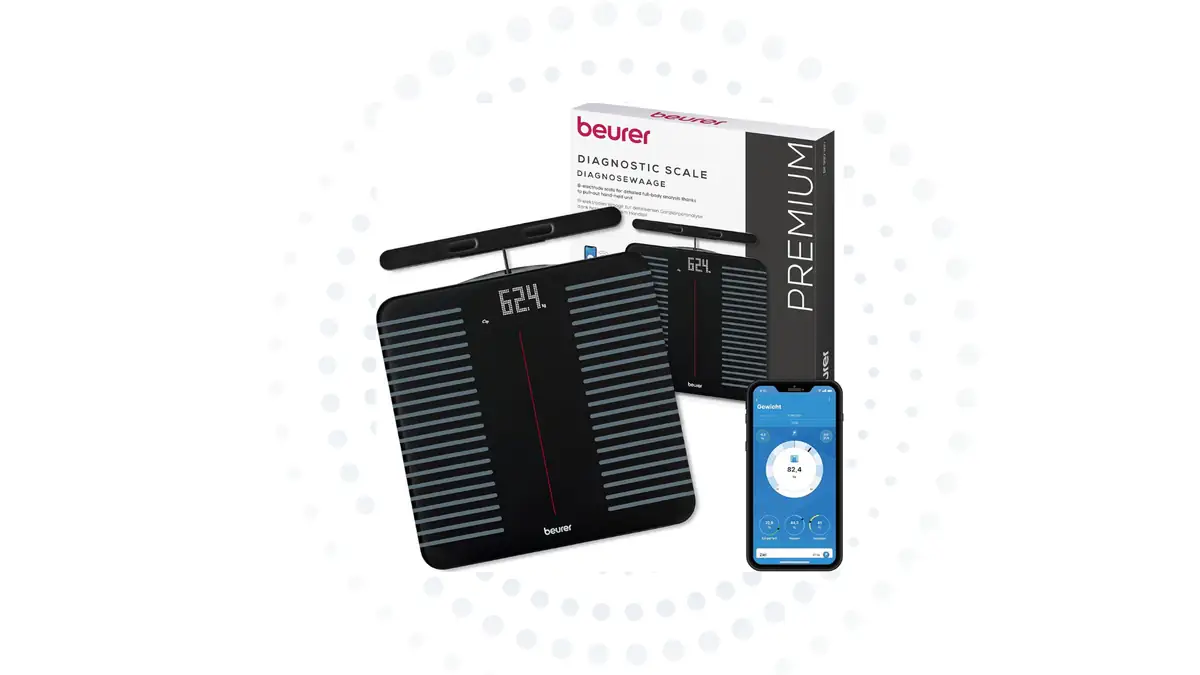
Beurer BF500

Beurer BF500
4.1 /5

Pros

  • Good quality for the price
  • Sturdy build
  • Bluetooth connectivity
  • Multi-user functionality

Cons

  • App setup and connectivity are not straightforward
Price
From $49
Check Best Price →

The Beurer BF500 is a favorite that emphasizes data security and solid German engineering. It uses a very clean, minimalist design that fits perfectly into high end home environments.

Highlights

- Robust Connectivity: Features automatic data transfer via Bluetooth, ensuring your data is always backed up and accessible.

- Ecosystem Friendly: Integrates well with a wide variety of health apps like Apple Health, Google Fit, and MyFitnessPa.

10
Best Budget Pick

RENPHO Basic Smart Scale (ES-CS20M)

RENPHO Basic Smart Scale (ES-CS20M)
4.2 /5

Pros

  • Best price
  • User-friendly app
  • Easy to set up and use
  • Visual progress tracking

Cons

  • Requires AAA batteries
  • App dependent
  • Not as sturdy
Price
From $25
Check Best Price →

For those on a budget, the RENPHO ES-CS20M is the most popular entry level smart scale on the market. It is a compact, no-frills device that does the basics exceptionally well.

Highlights

- Budget Friendly: Easily the best price on this list, making smart health tracking accessible to everyone.

- Visual Data:The app provides great graphs for progress tracking, making it easy to see your journey over time.

- Ease of Use: Very simple to set up and start weighing, with a fast Bluetooth connection that works every time.

It requires AAA batteries rather than being rechargeable, which adds a small ongoing cost. The build quality is lighter and less sturdy than the premium models, so it may not feel as stable for larger users.

11
Highest Accuracy

Hume Body Pod

Hume Body Pod
4.1 /5

Pros

  • Claims 98% DEXA-level accuracy, validated by third parties
  • Weekly and monthly progress tracking with graphs and trends
  • Syncs with various health apps

Cons

  • Common connectivity issues
  • Pricey
  • App syncing issues
Price
From $399
Check Best Price →

The Hume Body Pod is for the user who wants the latest in AI-driven health tracking and high accuracy claims. It uses advanced algorithms to process your biometric data and provide personalized health insights.

Highlights

- High Accuracy Claims: Boasts 98% DEXA-level accuracy validated by third parties, placing it among the most precise home units.

- Trend Focus: Provides excellent weekly and monthly progress graphs that help you look past daily water weight swings.

- Syncing: Connects well with your existing health data apps to give you a holistic view of your wellness.

This is one of the pricier options on the list and requires a bit of a commitment to the Hume ecosystem. Some users have reported recurring issues with app syncing and connectivity that can be frustrating at this price point.

Bioimpedance Scales: The Ultimate 2025 Guide to Body Composition Technology

If you have ever stepped on a sleek glass scale and seen more than just a weight measurement, you have likely encountered bioimpedance technology. Modern smart scales now promise a window into our internal health by reporting body fat percentage, muscle mass, hydration levels, and even visceral fat. As home fitness tracking evolves, these devices have become essential tools for athletes, clinical patients, and health enthusiasts alike.

But how do these devices really work under the surface? Is a home scale truly as accurate as a clinical scan? In this definitive guide, we explore the science of bioelectrical impedance analysis, evaluate the top models from brands like Tanita and InBody, and provide actionable tips to ensure your readings are as precise as possible.

What is a Bioimpedance Body Scale and How Does It Work?

A bioimpedance scale, technically known as a bioelectrical impedance analysis (BIA) scale, is a sophisticated health tool designed to estimate body composition beyond simple mass. While a standard scale measures the force of gravity on your body, a BIA device uses the electrical properties of human tissue to differentiate between fat, muscle, and water.

The Science of Bioelectrical Impedance Analysis

The core mechanism of any bioimpedance body scale relies on the fact that different tissues in the human body conduct electricity differently. When you step onto the metal electrodes of a smart scale, a very low-level, painless electrical current travels through your legs and across your pelvis. This current is typically measured at 50 microamperes — a level so low it does not stimulate nerves or muscles.

  • Muscle and Blood: These tissues have high water and electrolyte content, making them excellent conductors of electricity. The current moves quickly through these low-resistance pathways.
  • Body Fat: Adipose tissue contains very little water and acts as an insulator, resisting the flow of current. The more fat present, the higher the resistance recorded by the device.
  • Bone: Skeletal structures have extremely low conductivity. While they contribute to overall resistance, their stable nature allows algorithms to factor them out as a constant.

By measuring the "impedance" — the combination of resistance and reactance — the scale can calculate how much of your weight is likely water-rich muscle versus water-poor fat. Reactance is particularly interesting because it measures how cell membranes "bounce back" the current, acting like tiny capacitors. This provides a window into cellular health or phase angle, a metric often used by clinical professionals to assess nutritional status.

Single-Frequency vs. Multi-Frequency Bioimpedance

Most entry-level bioimpedance smart scales utilize a single frequency, typically 50 kHz. While sufficient for basic home tracking, it can sometimes struggle to differentiate between water inside and outside of cells. Professional-grade devices use multi-frequency BIA (MF-BIA), sending currents ranging from 1 kHz up to 1,000 kHz. Lower frequencies measure extracellular fluid, while higher frequencies penetrate cell membranes to measure intracellular water — providing a far more granular view of cellular health, muscle quality, and systemic hydration.

Are Bioimpedance Scales Accurate?

The most frequent question regarding these devices is whether they can be trusted for clinical-grade data. To understand bioimpedance scale accuracy, we must compare it to the gold standard of body composition: the DEXA scan (Dual-energy X-ray absorptiometry).

Comparing Smart Scales to DEXA Scans

Scientific research indicates that while DEXA scans have an error margin of only 1 to 2 percent, consumer bioimpedance scales often show a variance of 3 to 5 percent. However, the real value of a BIA scale is not found in a single absolute number, but in its ability to track changes over time. If measurement conditions remain identical, the scale is an excellent tool for seeing whether body fat is trending downward or muscle mass is increasing.

Factors That Affect Bioimpedance Scale Accuracy

Several external variables can skew your readings:

  1. Hydration Status: The primary driver of error. Being dehydrated will make the scale overestimate body fat because the current meets more resistance.
  2. Recent Exercise: Intense workouts redistribute fluids, cause sweating, and deplete glycogen. Measuring immediately after a run can spike reported body fat due to temporary fluid depletion.
  3. Food and Drink: Consuming a large meal or plenty of water before stepping on the scale drastically changes core conductivity. The morning fasted measurement is the only one that counts for long-term tracking.
  4. Skin Temperature: Warm skin from a shower or sauna dilates blood vessels and drops skin resistance, potentially leading to an underestimate of body fat.
  5. Menstrual Cycle: Fluid retention during certain cycle phases can cause temporary shifts in reported readings that reflect total body water changes, not actual tissue changes.

Reviewing the Best Bioimpedance Scales in 2025

Tanita Bioimpedance Scale

Tanita is a pioneer in BIA and remains a top choice for those who value clinical heritage. Founded in Japan, Tanita has spent decades refining its algorithms against DEXA and underwater weighing results. Models like the Tanita RD-953 are highly regarded for their build quality and multi-frequency capability in a consumer package, and the brand is frequently cited in academic research.

InBody Bioimpedance Scale

The InBody bioimpedance scale is the undisputed king of the gym and the clinic. Unlike standard scales with only foot electrodes, InBody devices like the 270 or 570 utilize a handle system with eight tactile electrodes, enabling Direct Segmental Multi-frequency BIA (DSM-BIA). This allows separate measurement of arms, legs, and trunk — making them significantly better at detecting skinny-fat conditions or visceral fat accumulation.

RENPHO Bioimpedance Scale

For most casual users, the RENPHO bioimpedance scale offers the best value. It is highly affordable and pairs with a robust smartphone app tracking over a dozen different metrics. While it relies on single-frequency BIA, its app experience is second to none, integrating seamlessly with MyFitnessPal, Apple Health, and Fitbit.

Withings Body Smart Scale

Withings is known for beautiful design and seamless integration with Apple Health and Google Fit. The Withings Body Scan model features a retractable handle for segmental analysis alongside the ability to track vascular health and nerve activity — positioning it as a comprehensive health station rather than a simple scale.

Omron Bioimpedance Scale

Omron is a household name in medical technology, primarily known for blood pressure monitors. Their bioimpedance scales, such as the HBF-514C, feature a hand-to-foot measurement system praised for consistency, combined with straightforward displays and the reassurance of a medically trusted brand.

Is a Bioimpedance Scale Safe: Pregnancy and Heart Conditions

Is a Bioimpedance Scale Safe During Pregnancy?

Most manufacturers list pregnancy as a contraindication. While the low electrical current has not been proven to harm a fetus, there is a lack of long-term studies on the subject. Most doctors suggest a better-safe-than-sorry approach. Furthermore, the massive fluid retention shifts during pregnancy make body composition data largely unreliable for tracking actual fat or muscle changes.

Cardiac Implanted Electronic Devices (Pacemakers)

The most critical safety rule is that individuals with pacemakers or internal defibrillators must not use bioimpedance scales. The electrical current, however small, could potentially interfere with the operation of these life-saving devices. The consequences of a pacemaker malfunction are potentially fatal — making this a non-negotiable safety boundary.

How to Get the Most Accurate Bioimpedance Results

To maximize the reliability of your readings, follow a strict testing protocol. Consistency is the secret to high-quality data.

  • Time of Day: Always measure first thing in the morning.
  • State of Fasting: Step on the scale after using the bathroom but before eating or drinking anything.
  • Consistent Surface: Keep your scale on hard, flat flooring such as tile or hardwood. Carpet introduces significant errors.
  • Foot Prep: Ensure your feet are clean and slightly damp. Calloused or very dry skin can insulate and block the signal.
  • Clothing: Measure in underwear or the same lightweight clothing every time.

Clinical Applications and the Future of BIA

Beyond the bathroom, bioimpedance is used in hospitals and sports labs to solve complex medical problems. Its portability and non-invasive nature make it ideal for bedside monitoring.

Fluid Management and Chronic Disease

In nephrology, bioimpedance is used to manage fluid levels in dialysis patients. By measuring extracellular water, doctors can determine exactly how much fluid needs to be removed. Similarly, BIA is used to monitor muscle wasting (sarcopenia) in elderly populations or those with cancer cachexia.

Sports Performance and Athletic Monitoring

Elite sports teams use professional BIA to monitor athletes throughout grueling seasons. If an athlete's total body water drops significantly while resistance spikes, it signals systemic dehydration and overtraining. Coaches can adjust training loads based on these trends to prevent injury.

The Future of BIA: Wearables and AI

We are already seeing the rise of wearable bioimpedance sensors in smartwatches like the Samsung Galaxy Watch series, enabling 24-hour hydration tracking. AI-powered algorithms are also becoming more common, allowing scales to learn your specific body type over months of data to filter out noise and deliver a smoothed view of actual progress.

Frequently Asked Questions

Is the RENPHO bioimpedance scale accurate enough for athletes?

Yes, for tracking progress. While not as precise as a clinical InBody scan, the RENPHO provides consistent data that helps athletes see whether their training and nutrition are moving them in the right direction.

Can I use a bioimpedance scale with metal implants?

Yes. While metal hip or knee replacements can slightly alter the impedance in that specific limb, they are not a safety hazard and will not prevent the scale from providing a useful overall trend.

Why does my body fat percentage change by 2% in one day?

This is almost always due to changes in hydration, sodium intake, or food volume. Your actual body fat cannot change that quickly. Ignore daily fluctuations and look at your 7-day or 14-day rolling average instead.

Final Verdict: Is a Bioimpedance Scale Worth It?

If you are serious about your health, a bioimpedance scale is a worthwhile investment. It moves the conversation away from weight loss and toward fat loss and muscle gain. By understanding your body composition, you can make smarter decisions about your diet and exercise routine.

For the casual user, a RENPHO or Withings scale is perfect. For the serious athlete or someone with specific clinical goals, investing in a Tanita or an InBody measurement is the way to go. No matter which device you choose, remember that the trend is your friend.

Medical Disclaimer: This guide is for informational purposes only. Bioimpedance scales are not diagnostic medical devices. If you have a medical condition, a cardiac implant, or are pregnant, consult with a physician before using BIA technology.